This interview has been edited for length and clarity.
|
|
About the PhotographerMichalina Kuczyńska is a commercial and documentary photographer based in Katowice, Poland. She is the youngest member of The Archive of Public Protests (APP). |
|
Truth in Photography: Could you talk a little bit about yourself as a photographer and how you became involved with The Archive of Public Protest?
Michalina Kuczyńska: I started photographing protests in 2020 when the Women's Strike protests came back in a much bigger scale in the whole of Poland. And this is the time when I also went back to photography, because I was very focused on my studies, unfortunately, and I didn't have really much space to do all I wanted. So, the year 2020 was a game changer for me because I came back to photography and I came back to protest photography. I found The Archive of Public Protests on Instagram. I wanted to get involved in a group because I felt that alone I don't really have much impact. The main part of The Archive of Public Protests is from Warsaw, and I come from Silesia, from Katowice, and they didn't have anybody in this region. They said that if I photography in Silesia, I could join, and I did.
Michalina Kuczyńska: I started photographing protests in 2020 when the Women's Strike protests came back in a much bigger scale in the whole of Poland. And this is the time when I also went back to photography, because I was very focused on my studies, unfortunately, and I didn't have really much space to do all I wanted. So, the year 2020 was a game changer for me because I came back to photography and I came back to protest photography. I found The Archive of Public Protests on Instagram. I wanted to get involved in a group because I felt that alone I don't really have much impact. The main part of The Archive of Public Protests is from Warsaw, and I come from Silesia, from Katowice, and they didn't have anybody in this region. They said that if I photography in Silesia, I could join, and I did.
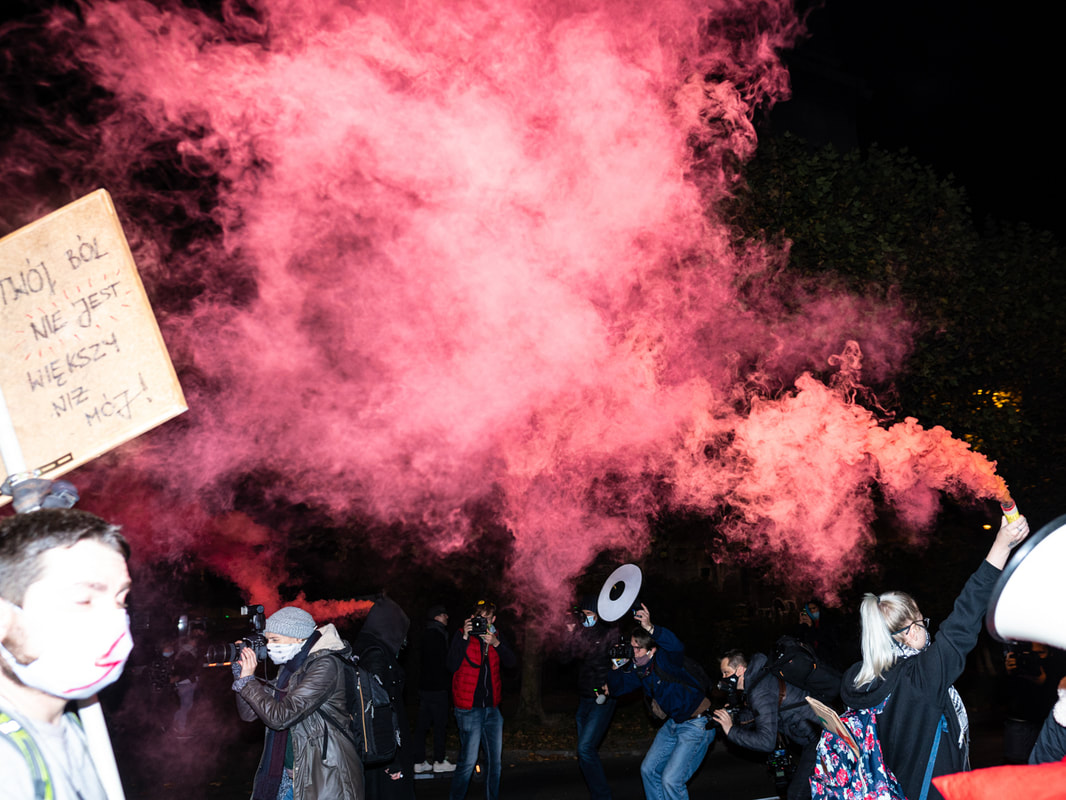
Protest over the ruling of the politicized Constitutional Court banning abortion in Poland. Demonstration and march through the city. Katowice, October 28, 2020. © Michalina Kuczyńska
|
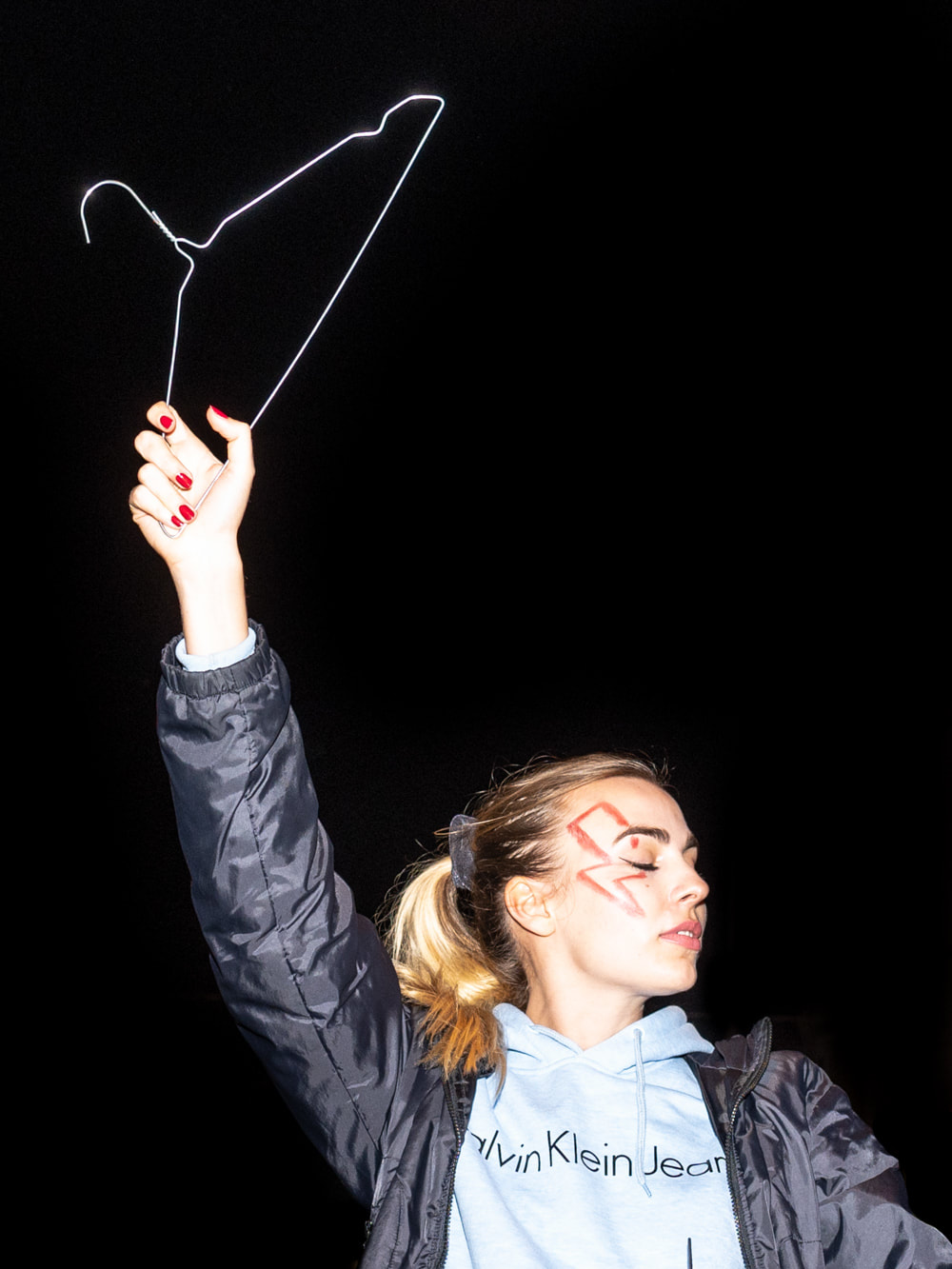
Protest over the ruling of the politicized Constitutional Court banning abortion in Poland. Demonstration and march through the city. Katowice, October 28, 2020. © Michalina Kuczyńska
|
TiP: Are you self-taught as a photographer or are you trained?
Kuczyńska: I am self-taught, because I didn't finish any art school. I was just observing. Really my photography's based on intuition.
TiP: What are you trying to show in your photographs? Do you think about issues of truth?
Kuczyńska: In my photography of the protests, I like showing individuals, emotions, symbols, maybe not wide, big scenes, not the groups, but the individuals.
TiP: Do you think you're pursuing the truth of the moment, that you want to convey what's happening for others to understand? Do you have a purpose?
Kuczyńska: I'm trying to show the real reality. The true reality. My goal is to bring awareness to certain topics, to extend the narrative that protests and other events carry. I'm not trying to impact the situations that I'm photographing, but at the same time, I'm trying to communicate some values that are important for me and that are being communicated at these protests.
TiP: Clearly, this issue of truth is perhaps more pressing than ever because there's so much misinformation.
Kuczyńska: Yeah. Yeah. And so many pictures everywhere. I think it's extremely hard to find the truth in this flow of images. It is very easy to manipulate with images, and disinformation is now being used on a massive scale, for instance during the war in Ukraine.
TiP: Could you talk a little bit about your involvement with the Women's Strike? I think that's such an important issue. What happened in Poland is, sadly, what's happening now in the United States.
Kuczyńska: Yes, it's pretty connected. So, in 2020, the Polish Constitutional Tribunal made a new law that bans abortion in almost all cases. This was the time when women came to the streets, some people say this, and I think this is a truth, that these were the biggest strikes since the year of 1989 in Poland. There were like two weeks of protests every day. People didn't even go to work because there were protests even in the day and in the evening. And I was going to almost every protest in Katowice, also in Gliwice, which is also in Silesia. And some protests in Warsaw. I went to maybe 40 or 50 protests overall. I got pretty involved because I got the feeling that when I photographed the protests, this is my involvement and presence, attendance at this strike, and this is the best way for me. And that this is also a way to express my emotions connected to these strikes because I'm a woman, and this is connected with me as a person.
Kuczyńska: I am self-taught, because I didn't finish any art school. I was just observing. Really my photography's based on intuition.
TiP: What are you trying to show in your photographs? Do you think about issues of truth?
Kuczyńska: In my photography of the protests, I like showing individuals, emotions, symbols, maybe not wide, big scenes, not the groups, but the individuals.
TiP: Do you think you're pursuing the truth of the moment, that you want to convey what's happening for others to understand? Do you have a purpose?
Kuczyńska: I'm trying to show the real reality. The true reality. My goal is to bring awareness to certain topics, to extend the narrative that protests and other events carry. I'm not trying to impact the situations that I'm photographing, but at the same time, I'm trying to communicate some values that are important for me and that are being communicated at these protests.
TiP: Clearly, this issue of truth is perhaps more pressing than ever because there's so much misinformation.
Kuczyńska: Yeah. Yeah. And so many pictures everywhere. I think it's extremely hard to find the truth in this flow of images. It is very easy to manipulate with images, and disinformation is now being used on a massive scale, for instance during the war in Ukraine.
TiP: Could you talk a little bit about your involvement with the Women's Strike? I think that's such an important issue. What happened in Poland is, sadly, what's happening now in the United States.
Kuczyńska: Yes, it's pretty connected. So, in 2020, the Polish Constitutional Tribunal made a new law that bans abortion in almost all cases. This was the time when women came to the streets, some people say this, and I think this is a truth, that these were the biggest strikes since the year of 1989 in Poland. There were like two weeks of protests every day. People didn't even go to work because there were protests even in the day and in the evening. And I was going to almost every protest in Katowice, also in Gliwice, which is also in Silesia. And some protests in Warsaw. I went to maybe 40 or 50 protests overall. I got pretty involved because I got the feeling that when I photographed the protests, this is my involvement and presence, attendance at this strike, and this is the best way for me. And that this is also a way to express my emotions connected to these strikes because I'm a woman, and this is connected with me as a person.
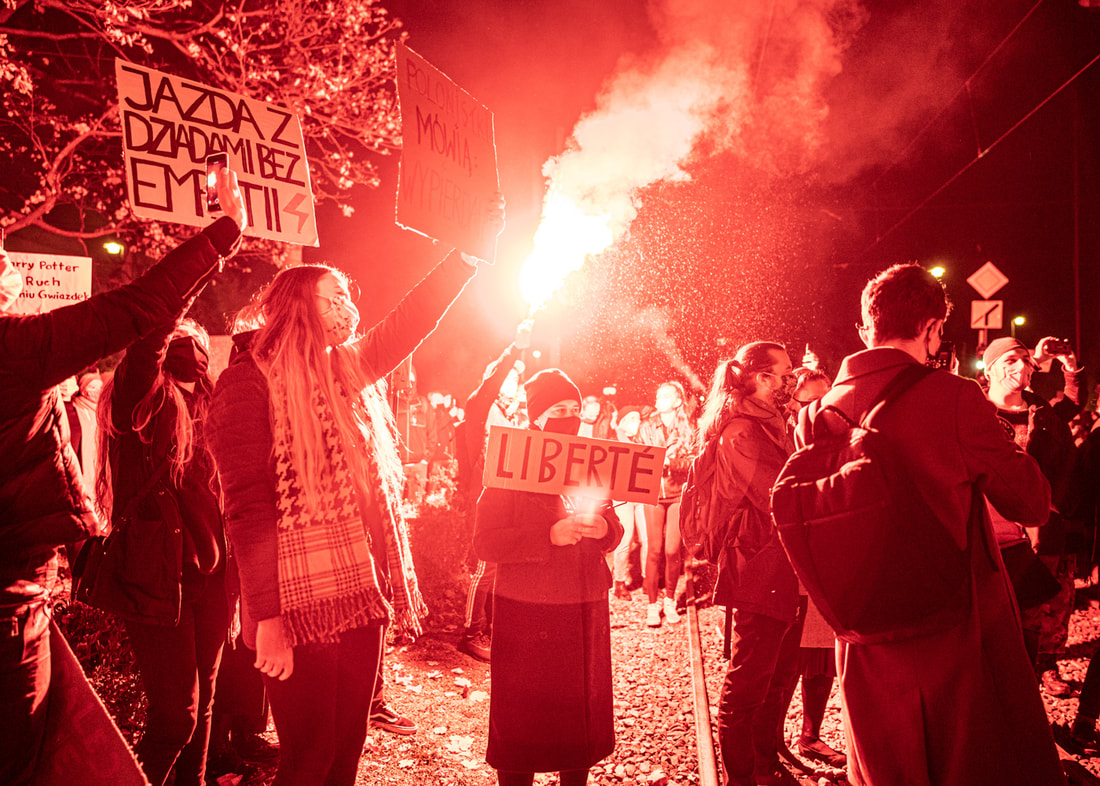
Protest over the ruling of the politicized Constitutional Court banning abortion in Poland. Demonstration and march through the city. Warsaw, October 30, 2020. © Michalina Kuczyńska
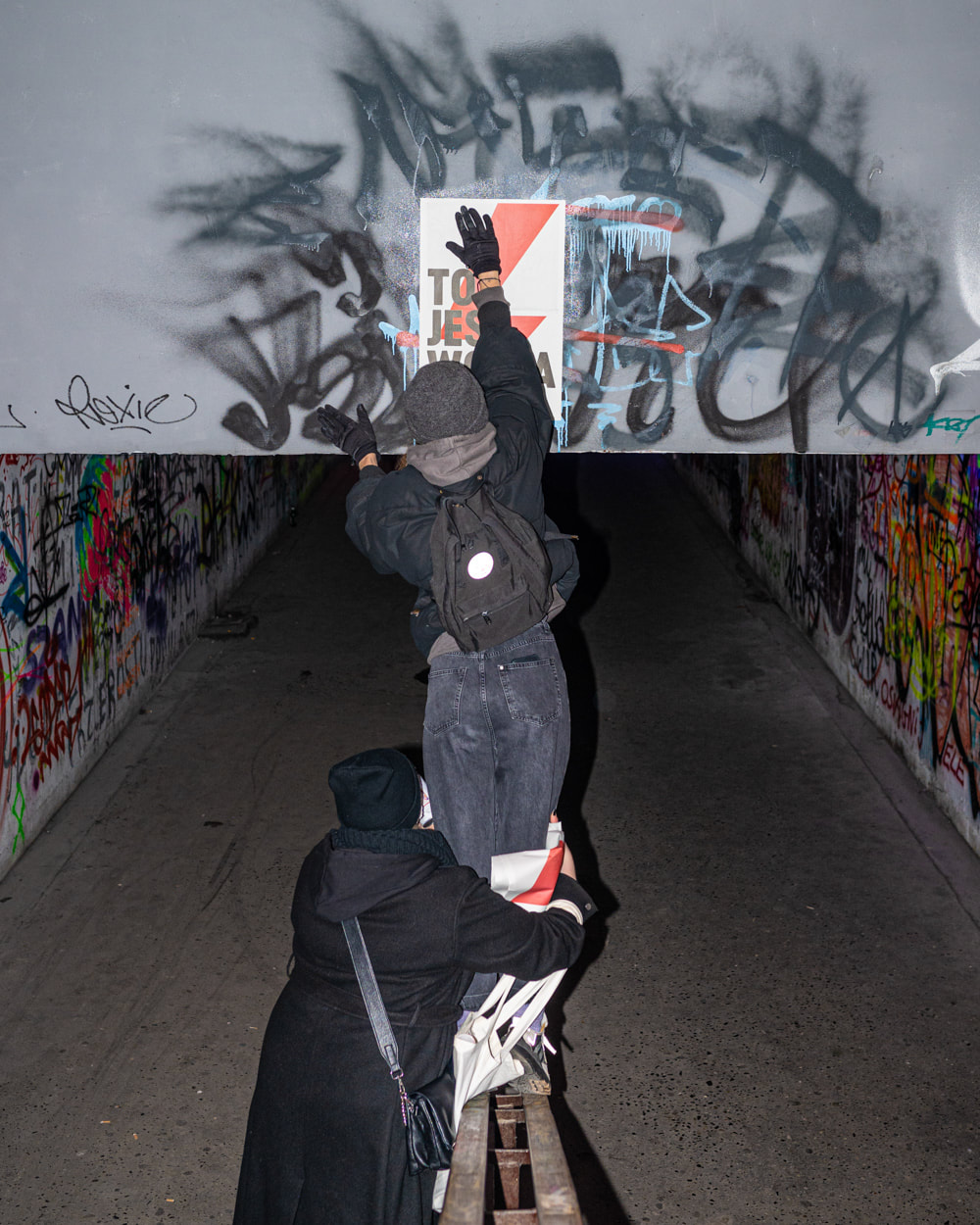
Women hanging a poster saying “this is war!” Katowice, November 26, 2020. © Michalina Kuczyńska
|
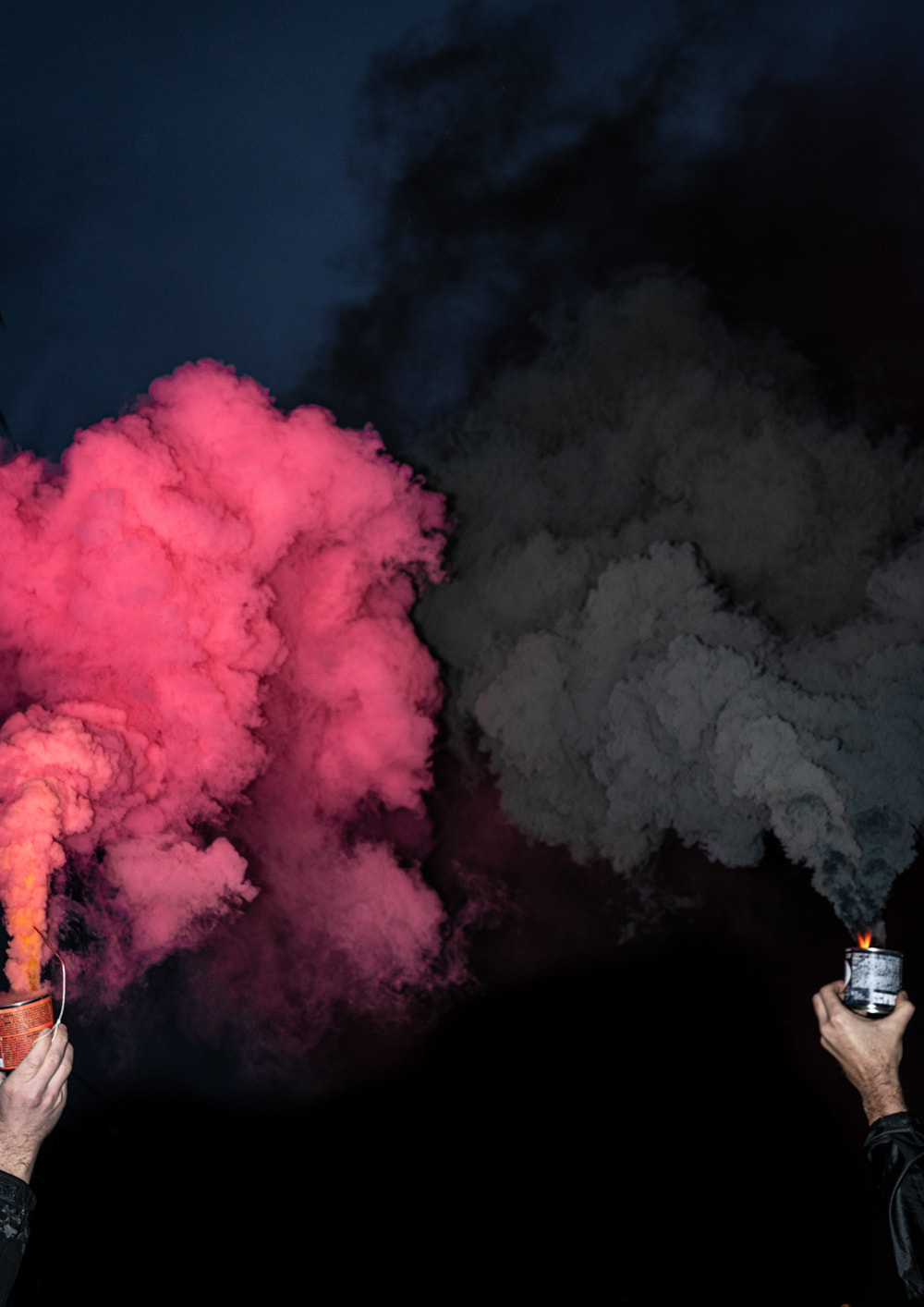
Protest against the ruling of the Constitutional Tribunal on the provisions on the admissibility of abortion. March through the streets of the city on the occasion of the 102nd anniversary of Polish women obtaining electoral rights. Warsaw, November 28, 2020. © Michalina Kuczyńska
|
TiP: It’s a huge issue for women. What is the situation in Poland? Is there a feminist movement?
Kuczyńska: There are some grassroots movements, feminist movements, some non-governmental groups, etc., that are educating, they are helping with abortions, which is also illegal. So they're risking a lot with helping. Even giving some people information about abortion, how can you get it and where you can get it, for example, abortion pills, is illegal in Poland. They're risking a lot, but they're doing a pretty important job. And they are also sharing statistics about, for example, how many people they helped this month, and the statistics say a lot about that abortion may be banned in Poland, but abortions will still happen. The law won't stop anybody from doing this. It will just stop people from doing it safely, and with the help of doctors.
TiP: What role do you think photographs can have in promoting, or helping to sustain social change?
Kuczyńska: Photography triggers the imagination, shapes our perception and point of view. I think that photography has the power, maybe not the large power to change everything at once, but I think it has a lot of potential with convincing people. It communicates some important values and I think it raises awareness about what is happening in parts of world that we sometimes don't know even exist.
TiP: What is your process of making a photograph? When you go to a protest, what is your process? To what extent are you thinking about composition, framing? Is your response spontaneous and intuitive?
Kuczyńska: The strikes are usually very dynamic. So I don't have much time to think about the composition or about what kind of story I want to tell this time. I just try to be in a lot of places at one time. Sometimes I talk to people. I also have to fit in. It depends on the strike. Sometimes it is really calm, and I have a lot of time to talk. But they were also very dynamic and brutal strikes, connected with police aggression, where you don't have a lot of time to think. You just have to act and decide when to shoot.
Kuczyńska: There are some grassroots movements, feminist movements, some non-governmental groups, etc., that are educating, they are helping with abortions, which is also illegal. So they're risking a lot with helping. Even giving some people information about abortion, how can you get it and where you can get it, for example, abortion pills, is illegal in Poland. They're risking a lot, but they're doing a pretty important job. And they are also sharing statistics about, for example, how many people they helped this month, and the statistics say a lot about that abortion may be banned in Poland, but abortions will still happen. The law won't stop anybody from doing this. It will just stop people from doing it safely, and with the help of doctors.
TiP: What role do you think photographs can have in promoting, or helping to sustain social change?
Kuczyńska: Photography triggers the imagination, shapes our perception and point of view. I think that photography has the power, maybe not the large power to change everything at once, but I think it has a lot of potential with convincing people. It communicates some important values and I think it raises awareness about what is happening in parts of world that we sometimes don't know even exist.
TiP: What is your process of making a photograph? When you go to a protest, what is your process? To what extent are you thinking about composition, framing? Is your response spontaneous and intuitive?
Kuczyńska: The strikes are usually very dynamic. So I don't have much time to think about the composition or about what kind of story I want to tell this time. I just try to be in a lot of places at one time. Sometimes I talk to people. I also have to fit in. It depends on the strike. Sometimes it is really calm, and I have a lot of time to talk. But they were also very dynamic and brutal strikes, connected with police aggression, where you don't have a lot of time to think. You just have to act and decide when to shoot.
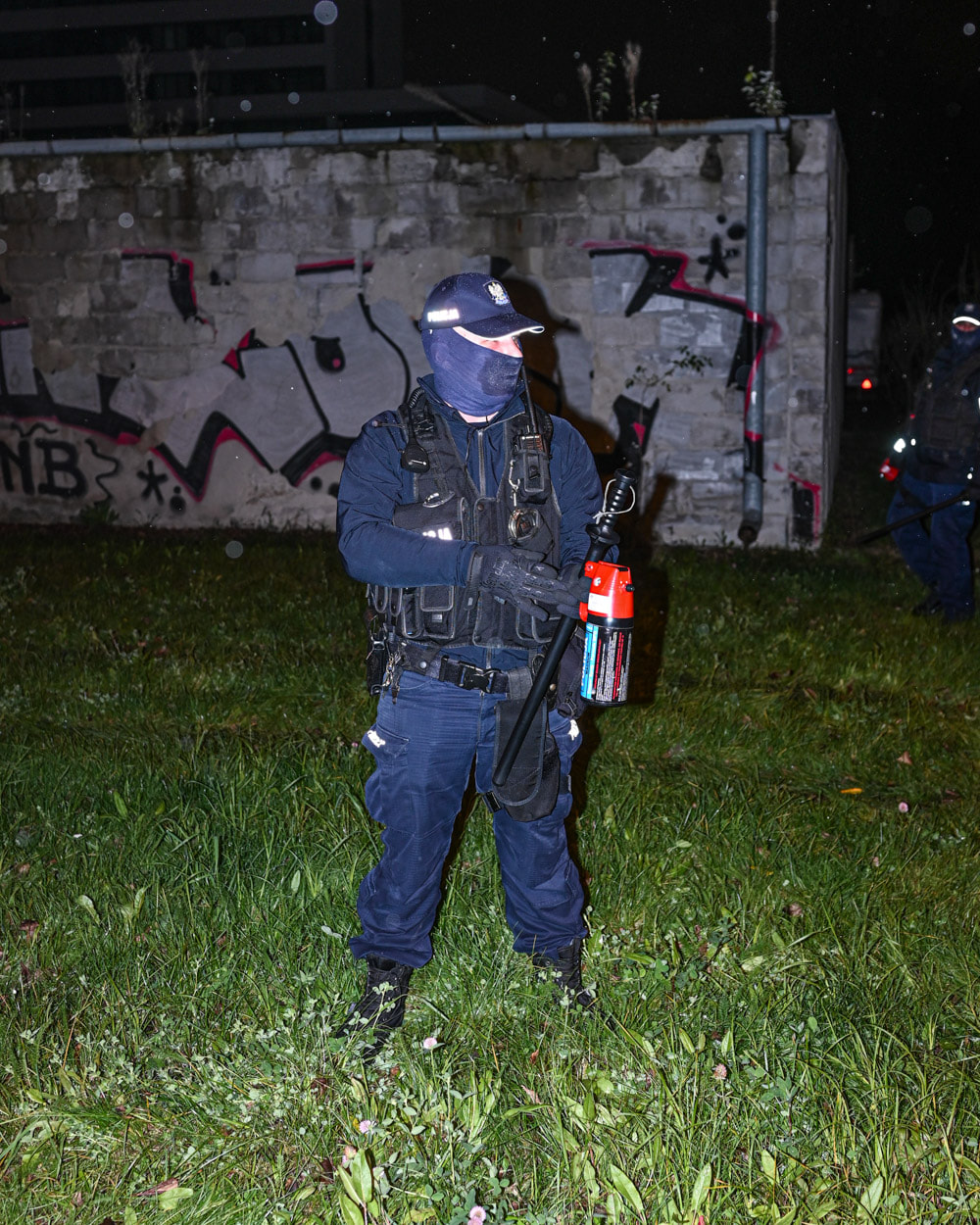
Protest against the ruling of the Constitutional Tribunal on the provisions on the admissibility of abortion. March through the streets of the city on the occasion of the 102nd anniversary of Polish women obtaining electoral rights. A police officer holding pepper spray guards people locked in a police cauldron. Warsaw, November 28, 2020. © Michalina Kuczyńska
|
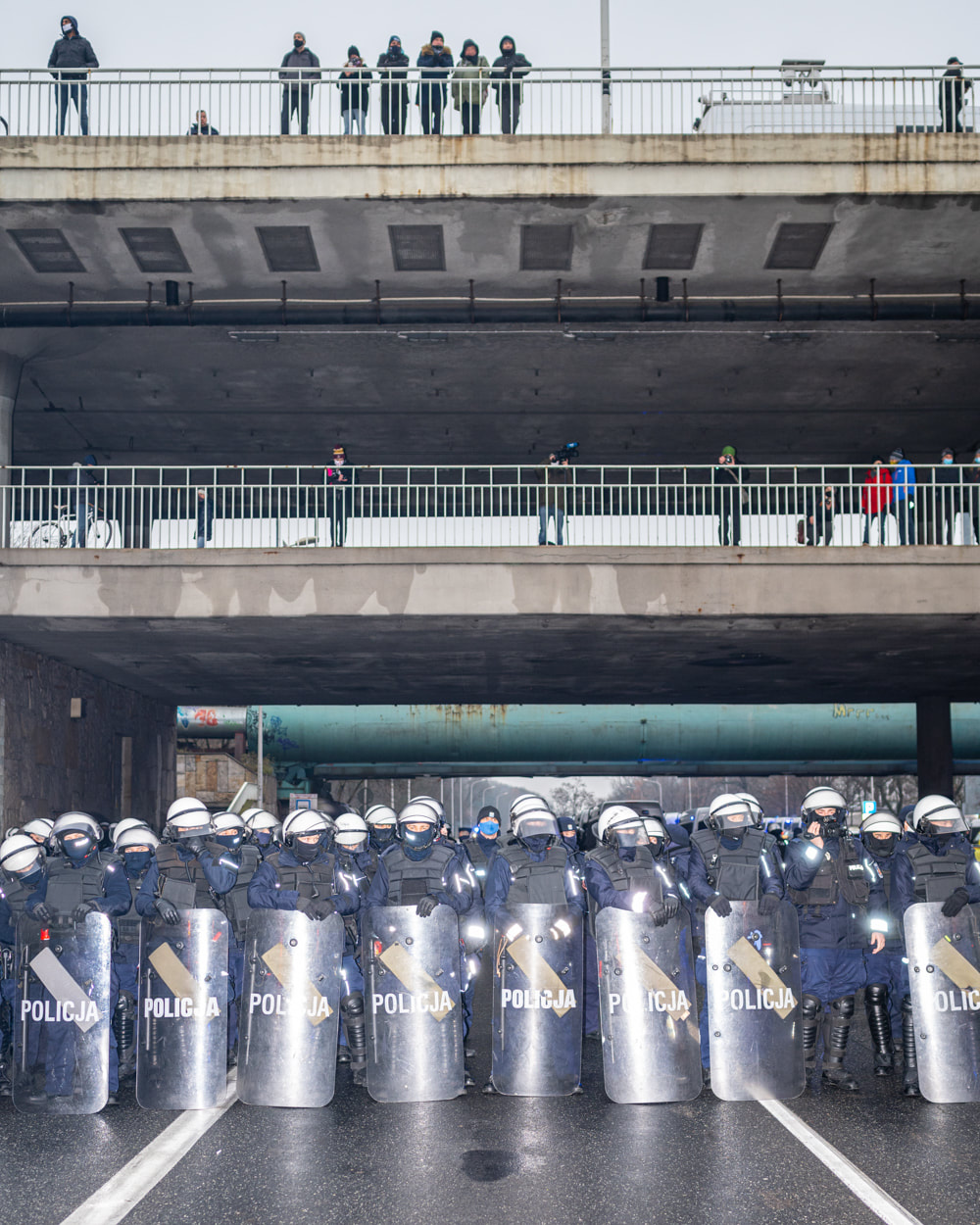
Anti-government protest. “We are going for freedom. We are going for everything.” Many organizations joined the Women's Strike protest on the 39th anniversary of martial law in Poland. Warsaw, December 13, 2020. © Michalina Kuczyńska
|
TiP: Can you finish the sentence, “Truth in photography is…”
Kuczyńska: For me, truth in photography is the result of truths, thoughts, and values derived from the photographer's world, which he or she wants to share with us.
Kuczyńska: For me, truth in photography is the result of truths, thoughts, and values derived from the photographer's world, which he or she wants to share with us.
|
TiP: Could you talk about some specific images and the situation in which you made them.
Kuczyńska: I have on my mind one of my photos. This is the photo of the Women's Strike in Warsaw. I was in a situation that I would never think I would be in. It was connected with police operations that were against the law and against the constitution. It was a really big strike, and the people were going through the city in a big march. And at one moment, police closed the people in something called a police kettle. It is a situation when people are not able to move, because the police are around them, and they are not letting them go unless they identify themselves. But when they give their identity to the police, in a few months, they get summoned to court and they face some consequence. So nobody wanted to identify themselves, but it was winter, and it was cold. Some people wanted to drink something warm or use the toilet. And there was a kind of fence nearby. People starting going through the fence to avoid the police. This was the only way to get out of the police kettle. And I took a picture that shows the, beautiful for me, gestures of solidarity, which I really like to show in my works. The fence was a bit dangerous, because it was old and messy, but people were helping each other, giving hands to each other, helping each other to go through the fence. It was a really nice solidarity. TiP: Where were you? Were you in the kettle or outside the kettle? Kuczyńska: I was in the kettle. I also did get help from other photographers because there were two fences. You had to get through the first one and then through the other, that was like two meters long. And everybody was helping each other with the cameras. |
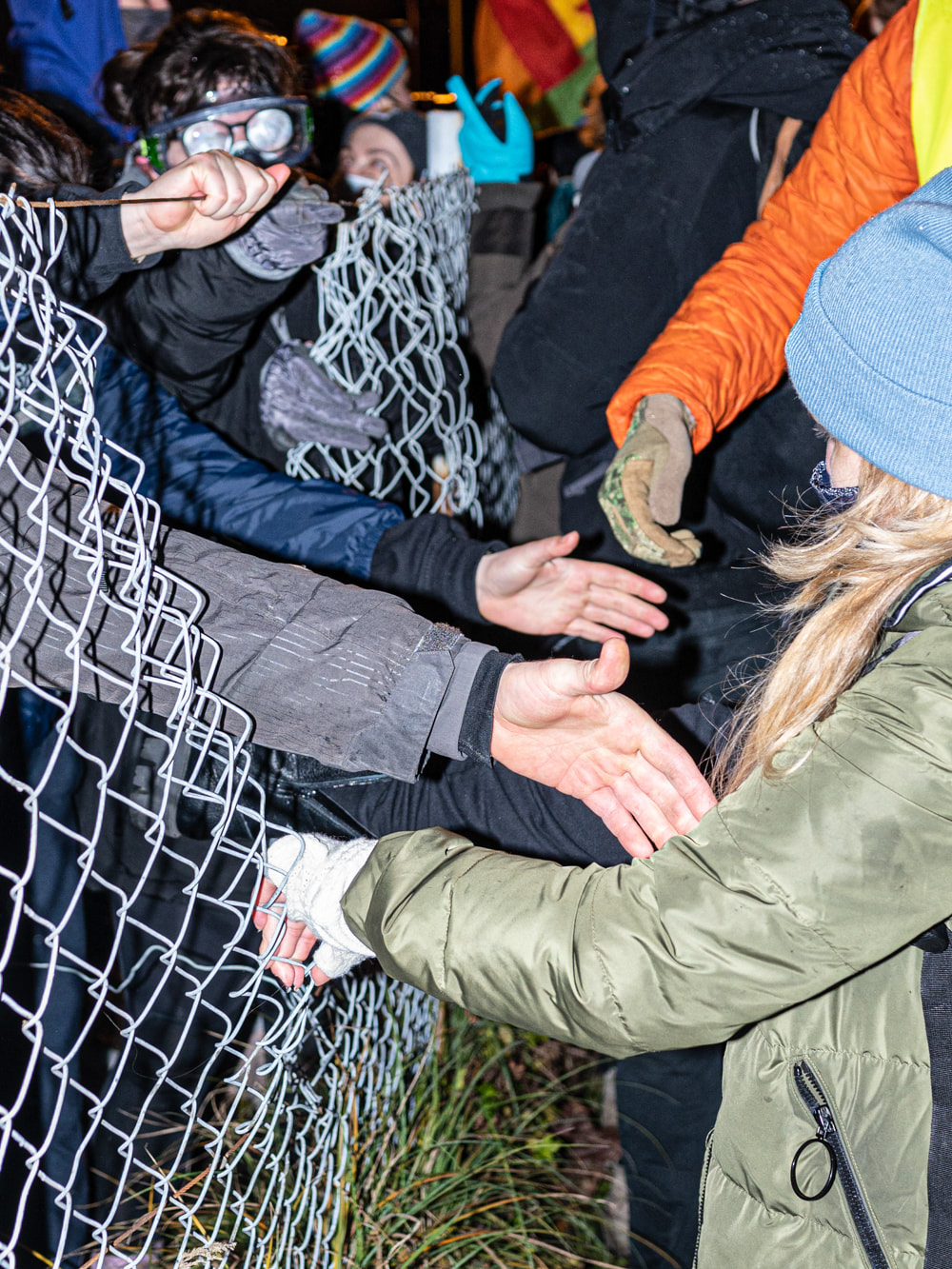
Protest against the ruling of the Constitutional Tribunal on the provisions on the admissibility of abortion. March through the streets of the city on the occasion of the 102nd anniversary of Polish women obtaining electoral rights. People helping each other to cross the fence in escape from the police kettle. Warsaw, November 28, 2020. © Michalina Kuczyńska
|
TiP: How do you edit your photographs? Are you trying to have a single image, or a series of images?
Kuczyńska: Actually, I don't like the part of editing. When it comes to editing, I like having some series. First, I'm doing the pictures, and then later I’m thinking about what is it about, and thinking about what is it about helps me to understand this really strange situation and this strange reality in this less and less democratic Poland. But when I was shooting the protests, I hadn't been planning like any kind of project or cycle. It was just spontaneous and I'm editing it later.
TiP: Let’s talk about climate change. That's a certainly a huge issue.
Kuczyńska: In Poland, there is a movement called Youth Climate Strike. It is organized by really young people that are pretty involved in education about climate change and the climate catastrophe. They are involved in strikes, and they are organizing big demonstrations. And I think it's beautiful because they are really young and aware. It's impressive for me because when I was their age, I wasn't that involved and conscious about the planet and the climate, and they're making their own banners with such slogans like, it rhymes in Polish, but is something about nature first, graduation later. They're saying that nature is so important for them and they're showing their disagreements with what is happening in the world. And they show the rich adults and the politicians who refuse to listen to them and who are ignoring the facts and the warnings from scientists.
Kuczyńska: Actually, I don't like the part of editing. When it comes to editing, I like having some series. First, I'm doing the pictures, and then later I’m thinking about what is it about, and thinking about what is it about helps me to understand this really strange situation and this strange reality in this less and less democratic Poland. But when I was shooting the protests, I hadn't been planning like any kind of project or cycle. It was just spontaneous and I'm editing it later.
TiP: Let’s talk about climate change. That's a certainly a huge issue.
Kuczyńska: In Poland, there is a movement called Youth Climate Strike. It is organized by really young people that are pretty involved in education about climate change and the climate catastrophe. They are involved in strikes, and they are organizing big demonstrations. And I think it's beautiful because they are really young and aware. It's impressive for me because when I was their age, I wasn't that involved and conscious about the planet and the climate, and they're making their own banners with such slogans like, it rhymes in Polish, but is something about nature first, graduation later. They're saying that nature is so important for them and they're showing their disagreements with what is happening in the world. And they show the rich adults and the politicians who refuse to listen to them and who are ignoring the facts and the warnings from scientists.
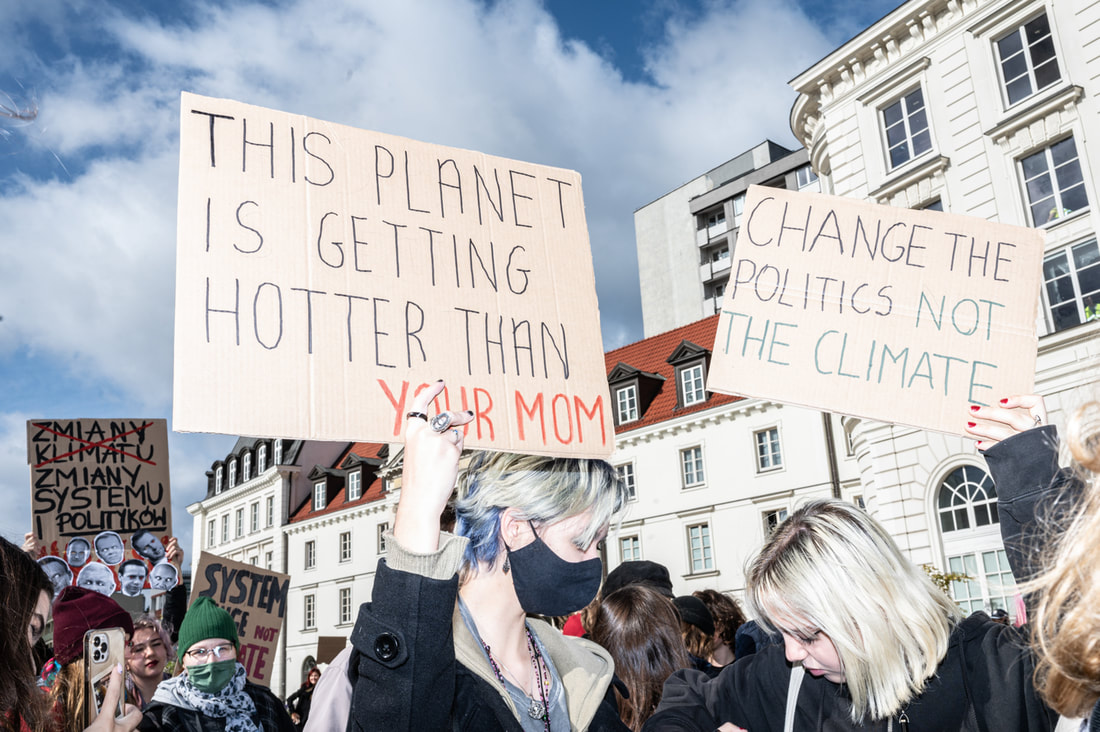
Youth Climate Strike under the slogan “Joint action or joint extinction.” March through the city and demonstration at the end of the protest. Warsaw, September 24, 2021. © Michalina Kuczyńska
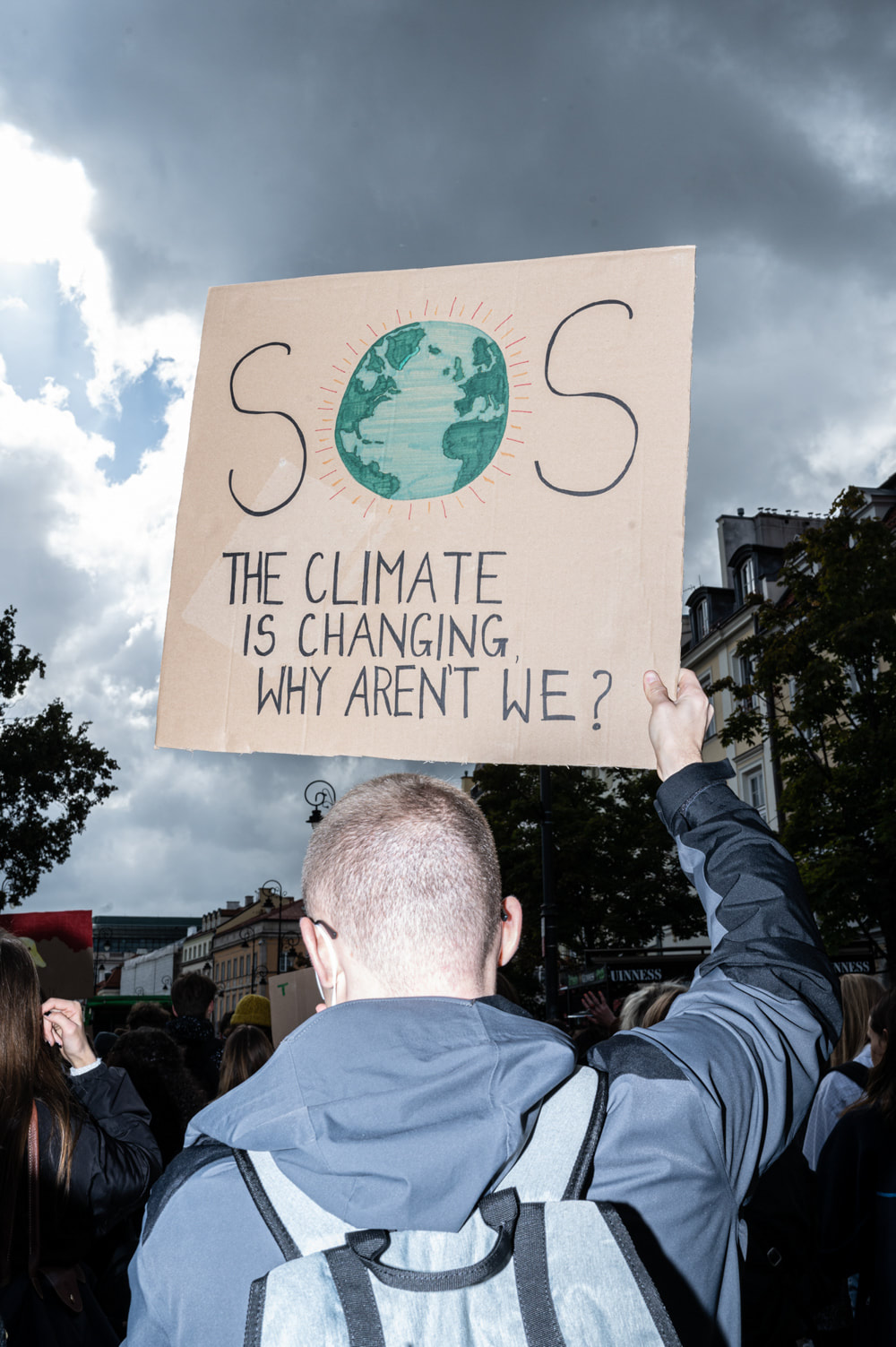
Youth Climate Strike under the slogan “Joint action or joint extinction.” March through the city and demonstration at the end of the protest. Warsaw, September 24, 2021. © Michalina Kuczyńska
|
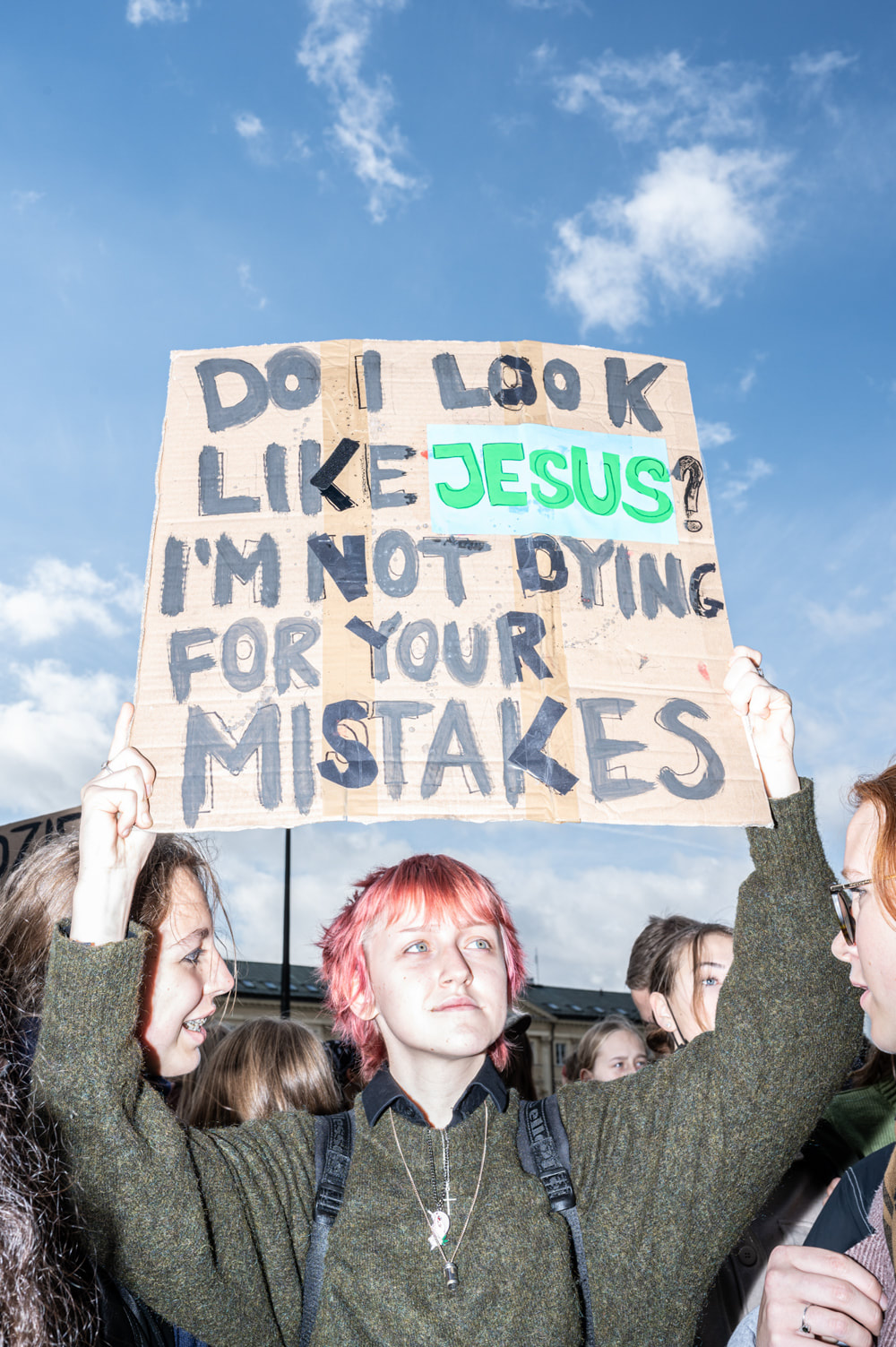
Youth Climate Strike under the slogan “Joint action or joint extinction.” March through the city and demonstration at the end of the protest. Warsaw, September 24, 2021. © Michalina Kuczyńska
|

Youth Climate Strike under the slogan “Joint action or joint extinction.” March through the city and demonstration at the end of the protest. Warsaw, September 24, 2021. © Michalina Kuczyńska
|
TiP: What is your current work now? What are you working on?
Kuczyńska: I currently have a lot of professional work. I'm trying to balance that, the humanitarian work, and working on a series about refugees on the Polish-Belarusian border.
TiP: What kind of commercial photography do you do?
Kuczyńska: I do portraits, events, and some product photos.
TiP: How is the war in the Ukraine affecting your life? Are there refugees coming into your area in Silesia?
Kuczyńska: There are a lot of refugees. Everybody is helping how they can. I was also engaged, but I was also spending some time at the Polish-Belarusian border. In Poland there are double standards applied to refugees. Helping refugees that are not white is illegal in Poland, and people have consequences, and they have to go to court. But when you help Ukrainian refugees, you are a hero. I disagree with these double standards because I think that nobody is illegal.
TiP: Do Ukrainian refugees fit within the guidelines of being white or are they not considered white?
Kuczyńska: Most of them are white and they are somehow more similar to us. I think this is why people are not afraid of them, because they are not different. They have a similar culture, religion, appearance. And when it comes to other people that come from really, really far away, from Sudan, Afghanistan, Iraq, etc., they are dying in Polish forests, and they are not given any help just because of their origin or skin color.
TiP: Do you have photographs of these refugees?
Kuczyńska: I didn't take as many pictures on the Polish/Belarusian border, because I didn't usually take my camera with me because I had in the back of my mind that I could get arrested. And when they arrest you, they can take my card from the camera. So when we were helping in the woods, I didn't take many photos because it was too risky.
TiP: What keeps you going? What motivates you?
Kuczyńska: I have some sense of duty. Once this became my way of commenting on reality, which I really need to do, and expressing my feelings about it, this is just important for me now. And I need to do this to express myself and comment on what is happening, constantly asking questions.
Kuczyńska: I currently have a lot of professional work. I'm trying to balance that, the humanitarian work, and working on a series about refugees on the Polish-Belarusian border.
TiP: What kind of commercial photography do you do?
Kuczyńska: I do portraits, events, and some product photos.
TiP: How is the war in the Ukraine affecting your life? Are there refugees coming into your area in Silesia?
Kuczyńska: There are a lot of refugees. Everybody is helping how they can. I was also engaged, but I was also spending some time at the Polish-Belarusian border. In Poland there are double standards applied to refugees. Helping refugees that are not white is illegal in Poland, and people have consequences, and they have to go to court. But when you help Ukrainian refugees, you are a hero. I disagree with these double standards because I think that nobody is illegal.
TiP: Do Ukrainian refugees fit within the guidelines of being white or are they not considered white?
Kuczyńska: Most of them are white and they are somehow more similar to us. I think this is why people are not afraid of them, because they are not different. They have a similar culture, religion, appearance. And when it comes to other people that come from really, really far away, from Sudan, Afghanistan, Iraq, etc., they are dying in Polish forests, and they are not given any help just because of their origin or skin color.
TiP: Do you have photographs of these refugees?
Kuczyńska: I didn't take as many pictures on the Polish/Belarusian border, because I didn't usually take my camera with me because I had in the back of my mind that I could get arrested. And when they arrest you, they can take my card from the camera. So when we were helping in the woods, I didn't take many photos because it was too risky.
TiP: What keeps you going? What motivates you?
Kuczyńska: I have some sense of duty. Once this became my way of commenting on reality, which I really need to do, and expressing my feelings about it, this is just important for me now. And I need to do this to express myself and comment on what is happening, constantly asking questions.
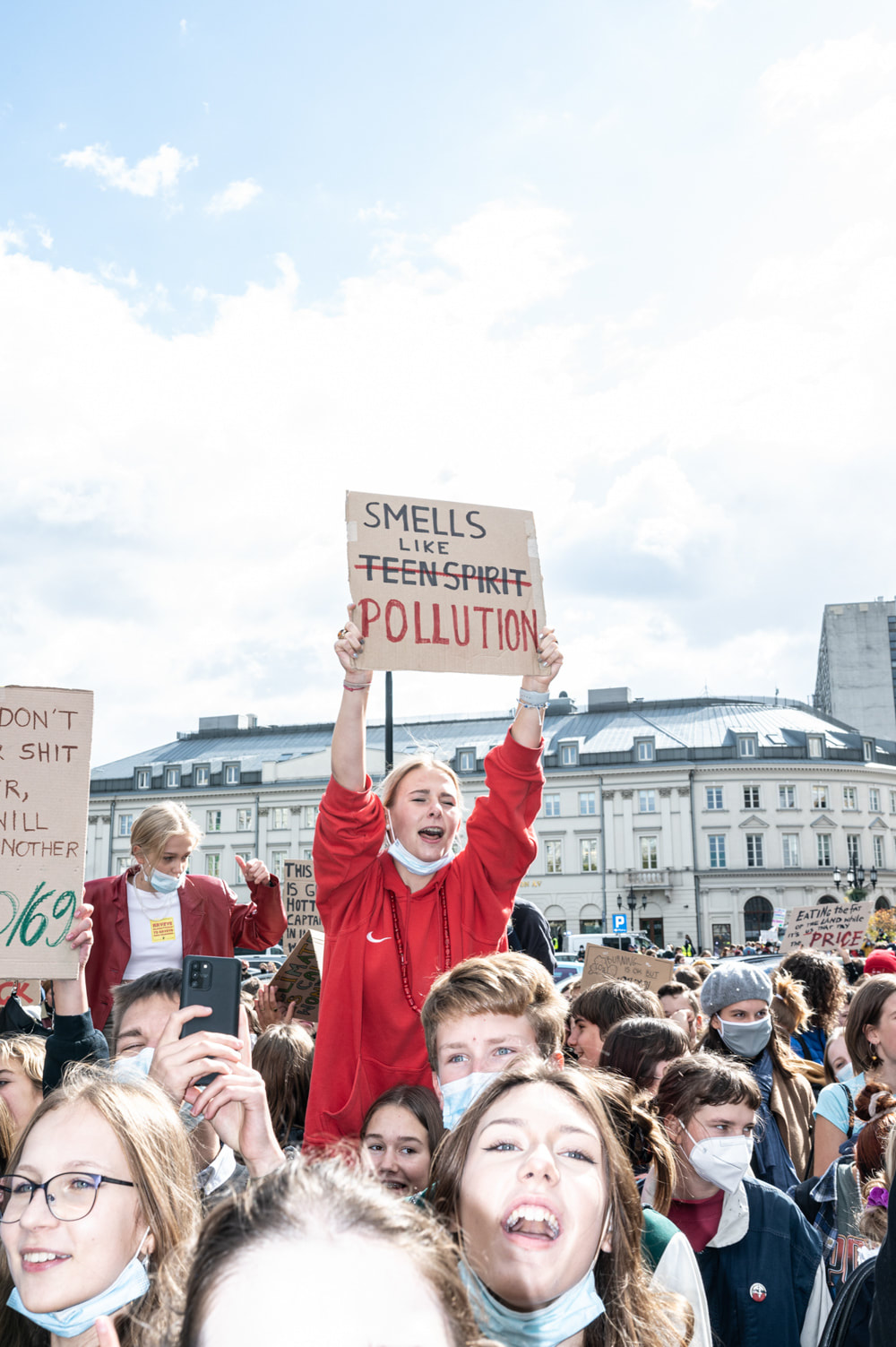
Youth Climate Strike under the slogan “Joint action or joint extinction.” March through the city and demonstration at the end of the protest. Warsaw, September 24, 2021. © Michalina Kuczyńska
|
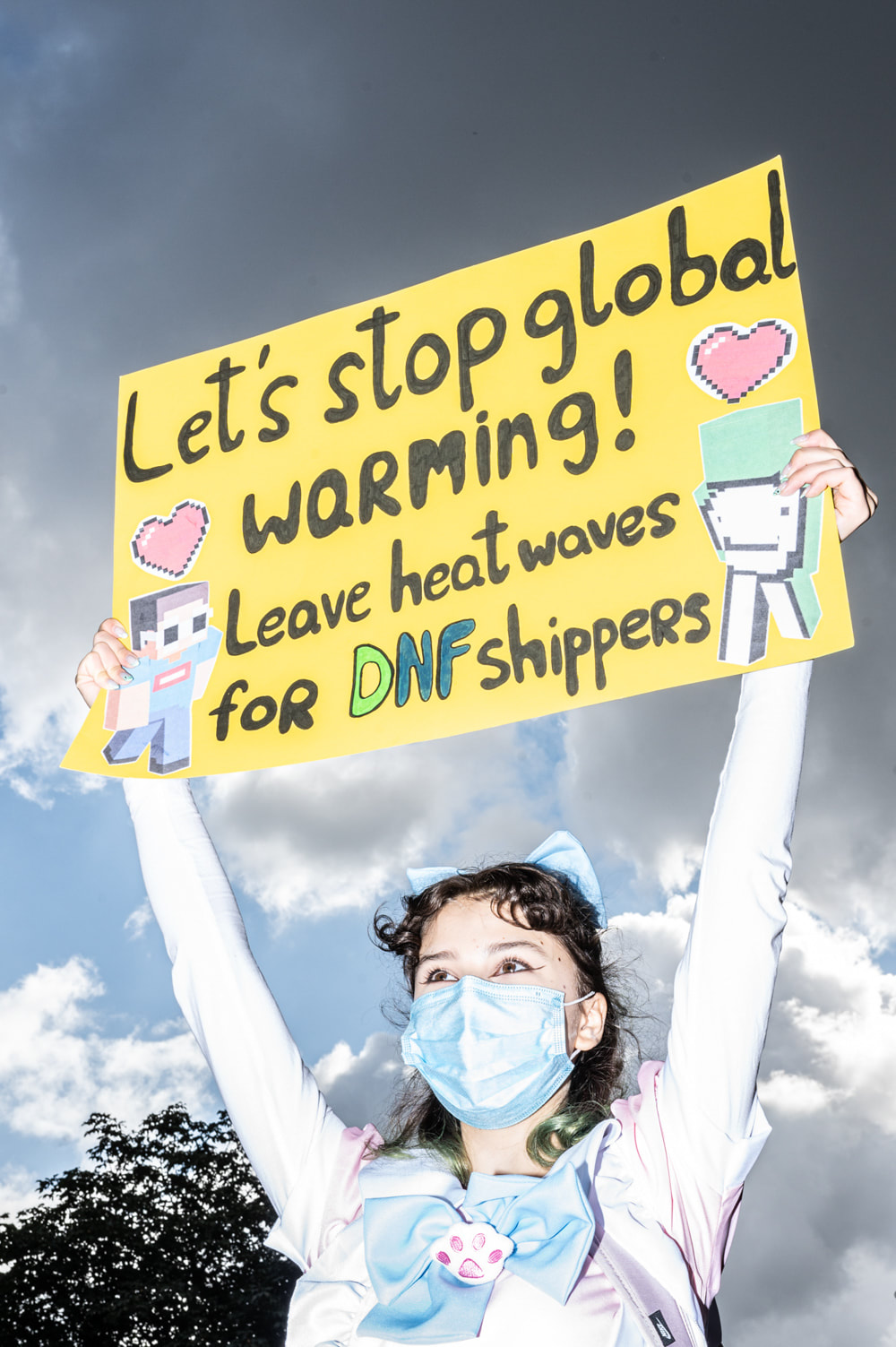
Youth Climate Strike under the slogan “Joint action or joint extinction.” March through the city and demonstration at the end of the protest. Warsaw, September 24, 2021. © Michalina Kuczyńska
|
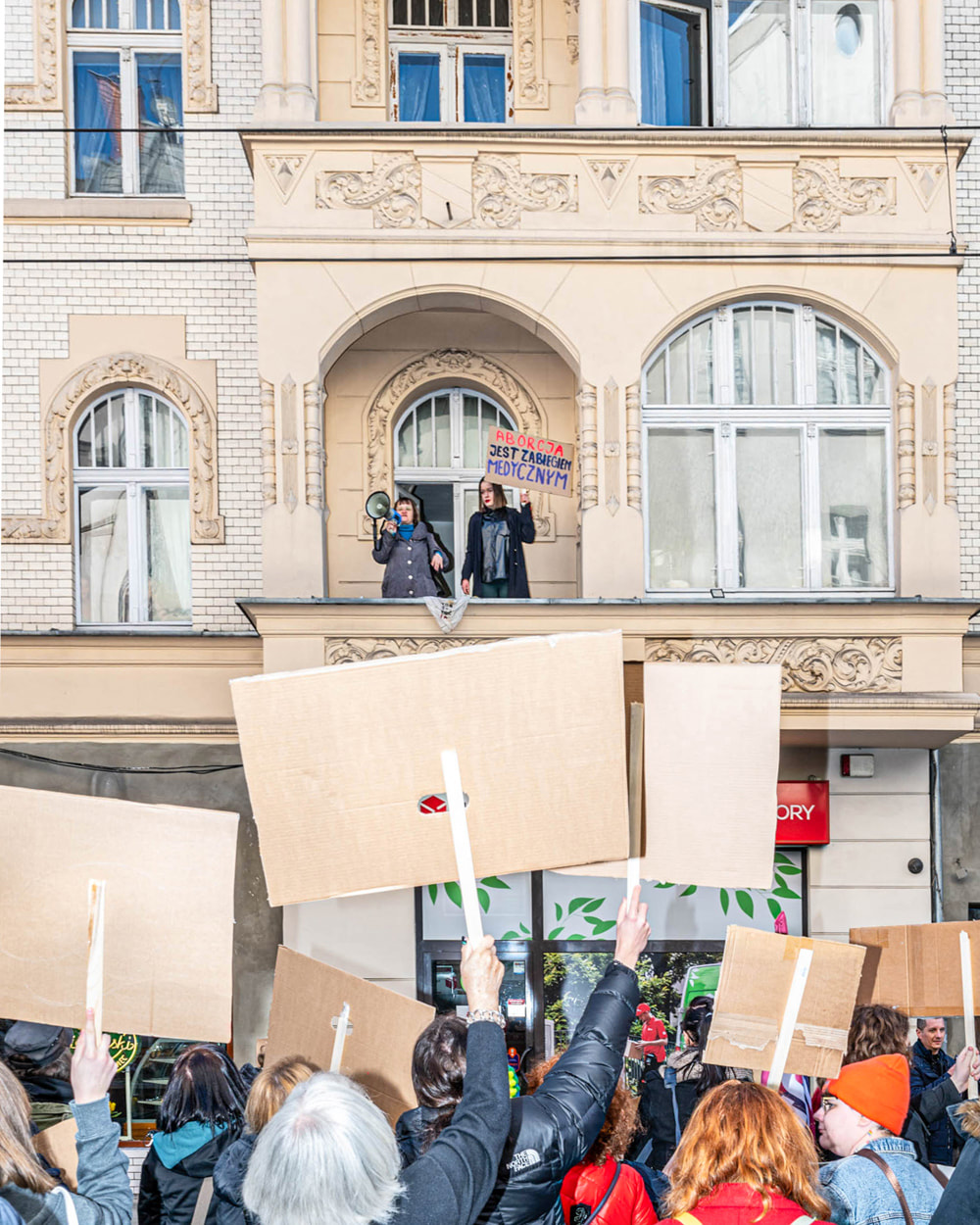
XIV Silesian “Manifa” under the slogan “We have had enough! Let's change Poland!” Demonstration on the occasion of Women's Day, in defense of women's rights and gender equality. March 13, 2022. © Michalina Kuczyńska
|
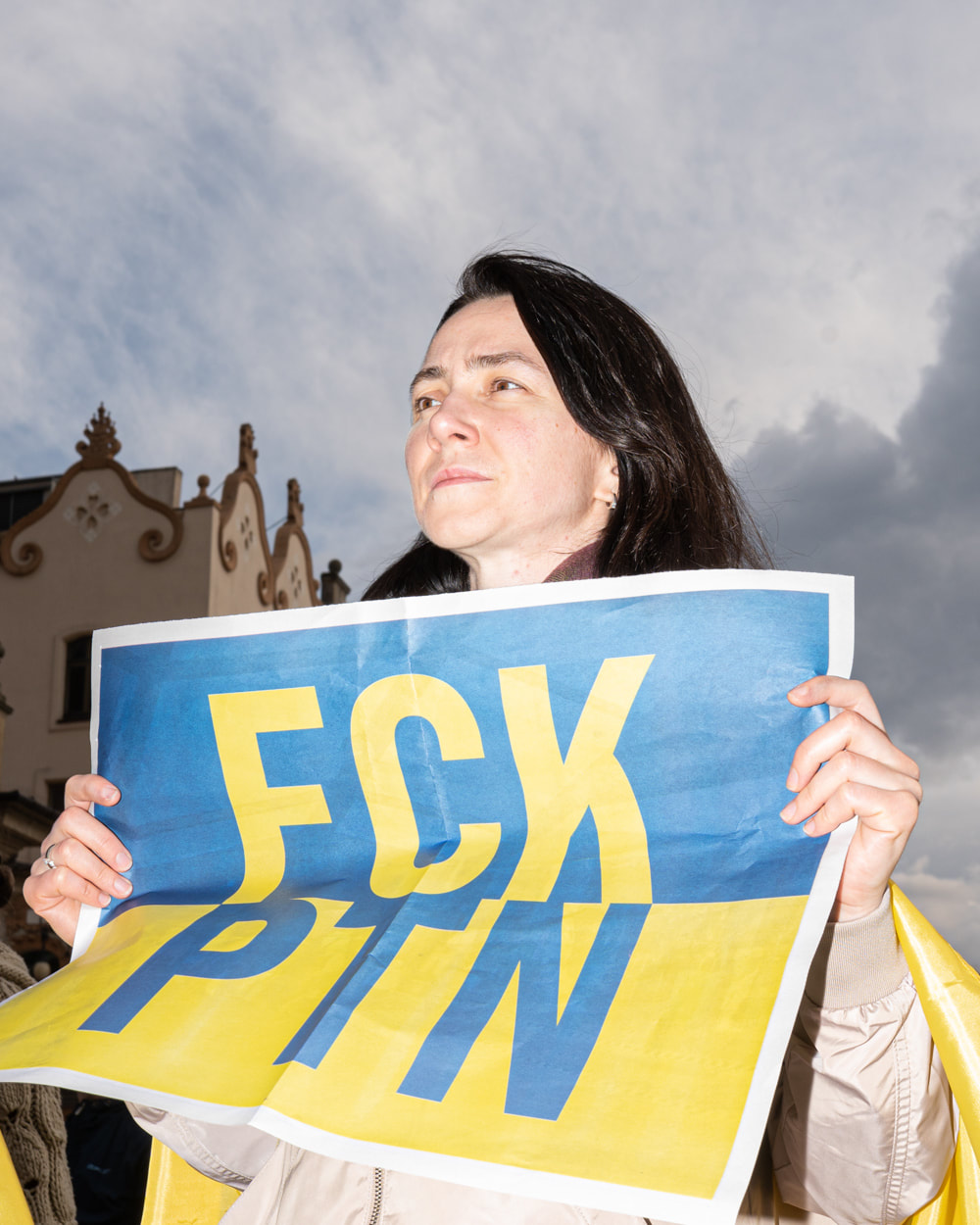
“No war in my name” anti-war protest: NO genocide, NO rape and torture, NO violence directed at civilians. April 24, 2022. © Michalina Kuczyńska
|
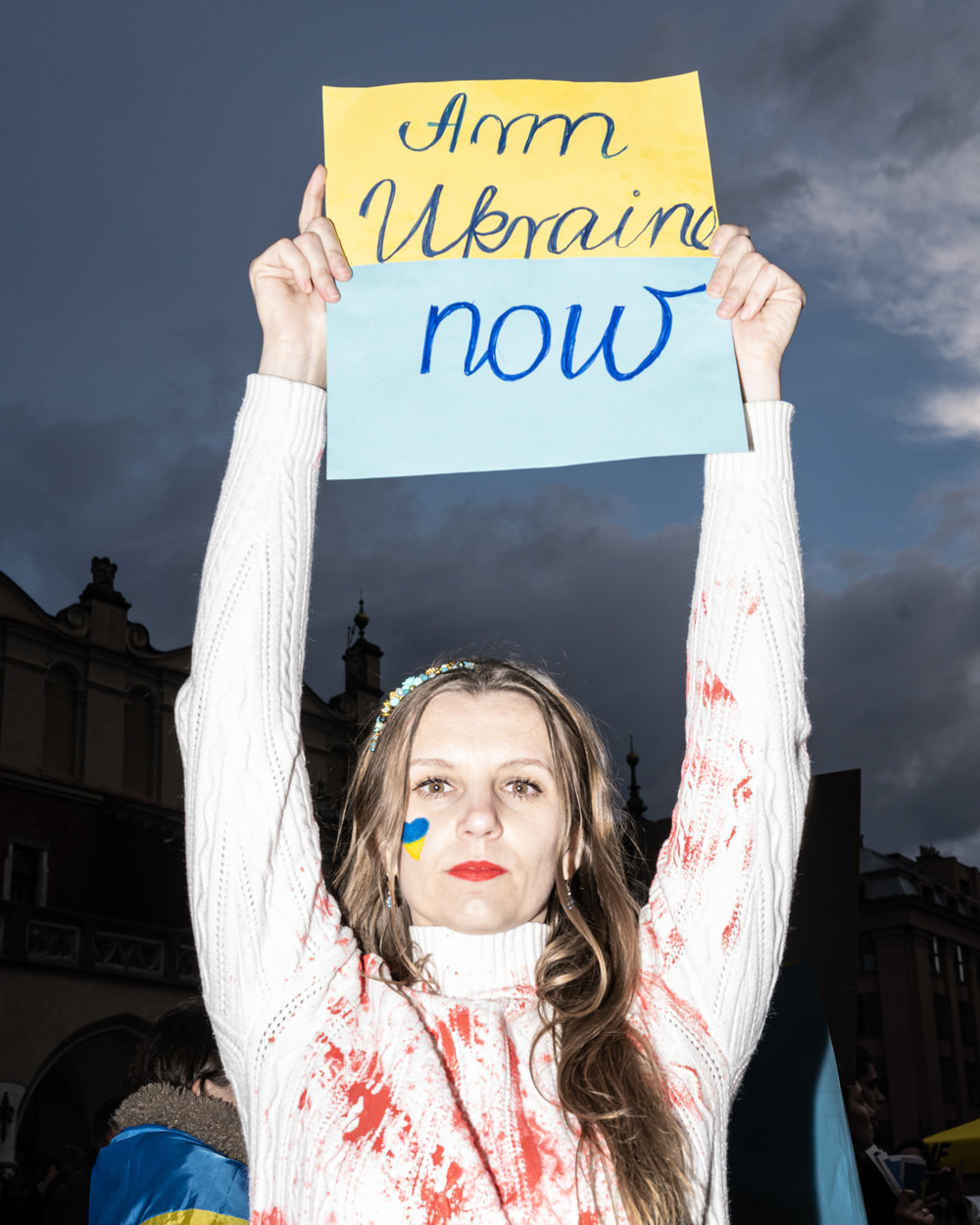
“No war in my name” anti-war protest: NO genocide, NO rape and torture, NO violence directed at civilians. April 24, 2022. © Michalina Kuczyńska
|